

Selecting ideal Bildhauerei Materialien is crucial for art projects. Learn practical advice on stone, metal, wood, and clay for durability and artistic expression.
Choosing the right material for a sculpture project is perhaps the most fundamental decision an artist makes. It dictates not just the aesthetics, but also the longevity, feasibility, and even the emotional resonance of the finished piece. From my years in the studio, working with everything from delicate wood to heavy-duty bronze, I’ve learned that material selection is a dialogue between artistic intent and practical reality. It’s about understanding what each medium offers and what it demands.
Overview
- Material selection profoundly impacts a sculpture’s form, durability, and project execution.
- Common Bildhauerei Materialien include stone, wood, metals like bronze and steel, and various clays.
- Each material possesses unique properties concerning hardness, workability, weight, and aesthetic finish.
- Project scale, intended display environment, and required maintenance are critical influencing factors.
- Understanding the specific tools and techniques associated with each medium is essential for successful realization.
- Factors such as material cost, availability, and safety protocols must always be part of the planning process.
- The choice of material should align with the artistic message and desired textural or visual qualities.
Evaluating Stone and Metal as Bildhauerei Materialien
Stone has long been revered for its permanence and monumental quality. Marble, a classic choice, offers beautiful translucency and a subtle sparkle, but it requires patience and specialized chisels. Granite, while incredibly durable, presents a significant challenge due to its hardness; carbide-tipped tools and extensive effort are necessary. Limestone is softer, easier to carve, but less resilient to environmental wear. When I’ve worked with stone for outdoor installations, particularly in climates with freeze-thaw cycles, choosing a dense, weather-resistant type is non-negotiable.
Metals, particularly bronze and steel, provide incredible strength and diverse finishing options. Bronze casting is an intricate process, yielding sculptures with exceptional detail and durability. Many public art commissions in the US specify bronze for its longevity and aesthetic appeal. Steel, whether mild or stainless, can be welded, forged, or fabricated, offering industrial aesthetics or polished surfaces. Each metal has unique weight considerations and requires specialized equipment, from welding torches to grinding tools. Understanding their properties is key to working effectively with these Bildhauerei Materialien.
Working with Wood and Clay
Wood offers a tactile warmth and organic character that no other material quite replicates. Different species present distinct challenges and opportunities. Oak is dense and strong, with a prominent grain that can be incorporated into the design. Walnut carves beautifully, presenting rich, dark tones. Basswood is much softer, ideal for beginners or intricate detail work. Proper seasoning is vital; using unseasoned wood can lead to cracking and warping over time. My experience has shown that working with the grain, rather than against it, makes for a more successful and stable piece.
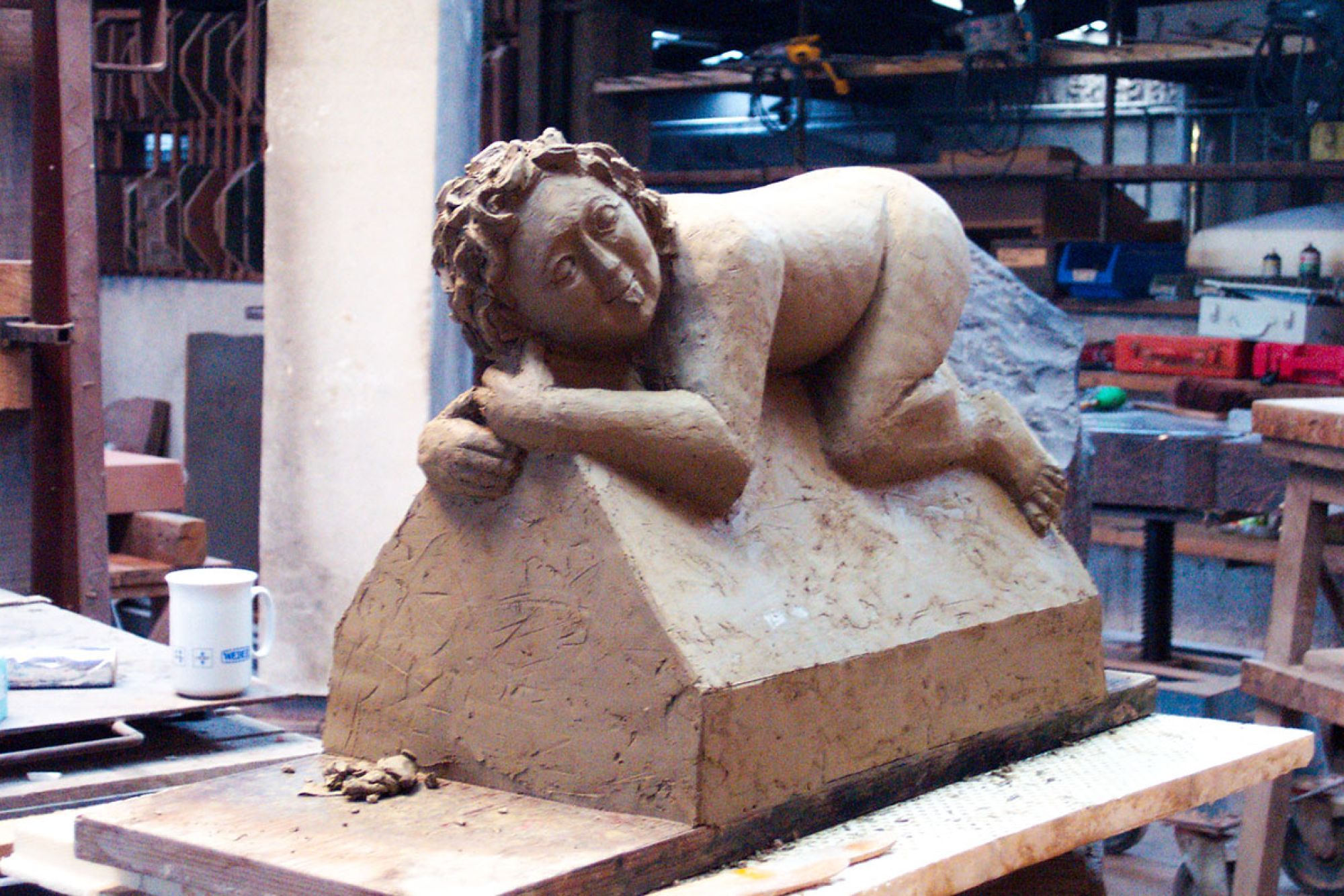
Clay, a versatile and ancient medium, allows for direct hand-building, modeling, and intricate forms. Terracotta, stoneware, and porcelain each have unique firing temperatures and plasticity. Terracotta is earthy and porous, often used for decorative garden pieces. Stoneware, once fired, becomes incredibly strong and vitreous. Porcelain, known for its fine grain and white color, is excellent for delicate work. The transformation clay undergoes from soft earth to hard ceramic after firing is remarkable, but its fragility before firing demands careful handling.
Environmental Factors and Durability of Bildhauerei Materialien
The environment where a sculpture will reside dictates much about material choice. Outdoor pieces face constant exposure to UV radiation, rain, wind, and temperature fluctuations. Materials like certain types of stone and cast bronze are well-suited for such conditions due to their inherent resistance to weathering. For instance, a limestone piece might erode significantly in acid rain over decades, while granite would remain largely unaffected. Protecting against corrosion is crucial for metal sculptures; proper patination and sealing are essential maintenance steps.
Indoor environments typically offer more stable conditions, allowing for a broader range of Bildhauerei Materialien. However, even indoors, factors like humidity levels can affect wood, causing it to expand or contract. Dust accumulation is a universal challenge, requiring regular, gentle cleaning. Considering the long-term interaction of the sculpture with its surroundings is part of my initial planning. A bronze sculpture intended for an outdoor park requires vastly different preparation and upkeep than a small, delicate ceramic figure for an interior display.
Practical Considerations for Material Selection
Beyond the aesthetic and physical properties, practicalities heavily influence material choice. Cost is always a factor; acquiring large blocks of marble or significant quantities of bronze for casting can be very expensive. Tools, too, represent a considerable investment. A full set of stone carving chisels differs greatly from the equipment needed for metal fabrication or a potter’s wheel and kiln. Access to specialized facilities, such as a metal foundry or a large firing kiln, also plays a role in what Bildhauerei Materialien an artist can realistically work with.
Scale and weight are crucial, especially for larger projects. Moving and installing a multi-ton stone or metal sculpture requires planning, heavy equipment, and a budget. Safety is paramount; working with power tools, molten metal, or heavy loads demands strict adherence to safety protocols. Finally, the availability of specific materials in a given region can influence choices. Sometimes, local resources dictate the artistic direction, fostering creativity within certain limitations.


